Community
Proven Strategies for Outcome Leadership Training in Youth Programs
 Discover how structured leadership training transforms young athletes into confident community leaders who excel both on the field and in life.
Why Outcome-Based Leadership Training Creates Lasting Impact
Effective youth character development programs operate on a fundamental principle: measurable outcomes drive lasting transformation. When leadership training focuses on specific, observable results rather than abstract concepts, young people develop tangible skills that translate directly into real-world success. Outcome-based approaches establish clear benchmarks for growth in areas such as decision-making, communication, accountability, and resilience, creating a roadmap that empowers teenagers to track their progress and celebrate achievements along the way.
Research consistently demonstrates that youth programs incorporating structured leadership development with measurable personal growth outcomes produce significantly stronger results than traditional approaches. These programs integrate character education principles with practical skill-building exercises, allowing participants to develop integrity, discipline, and moral courage through direct experience. By establishing clear objectives and regularly assessing progress, program directors create an environment where young people understand exactly what success looks like and how to achieve it.
The most effective programs recognize that leadership development extends far beyond the immediate activity, whether athletics, community service, or academic pursuits. When young people participate in outcome-focused training, they learn to set goals, overcome obstacles, and persist through challenges—skills that prepare them for success in all areas of life. This comprehensive approach ensures that character traits developed during program participation become integrated into participants' identities, creating leaders who carry these values into their families, schools, and communities for years to come.
Building Character Through Structured Athletic Programming
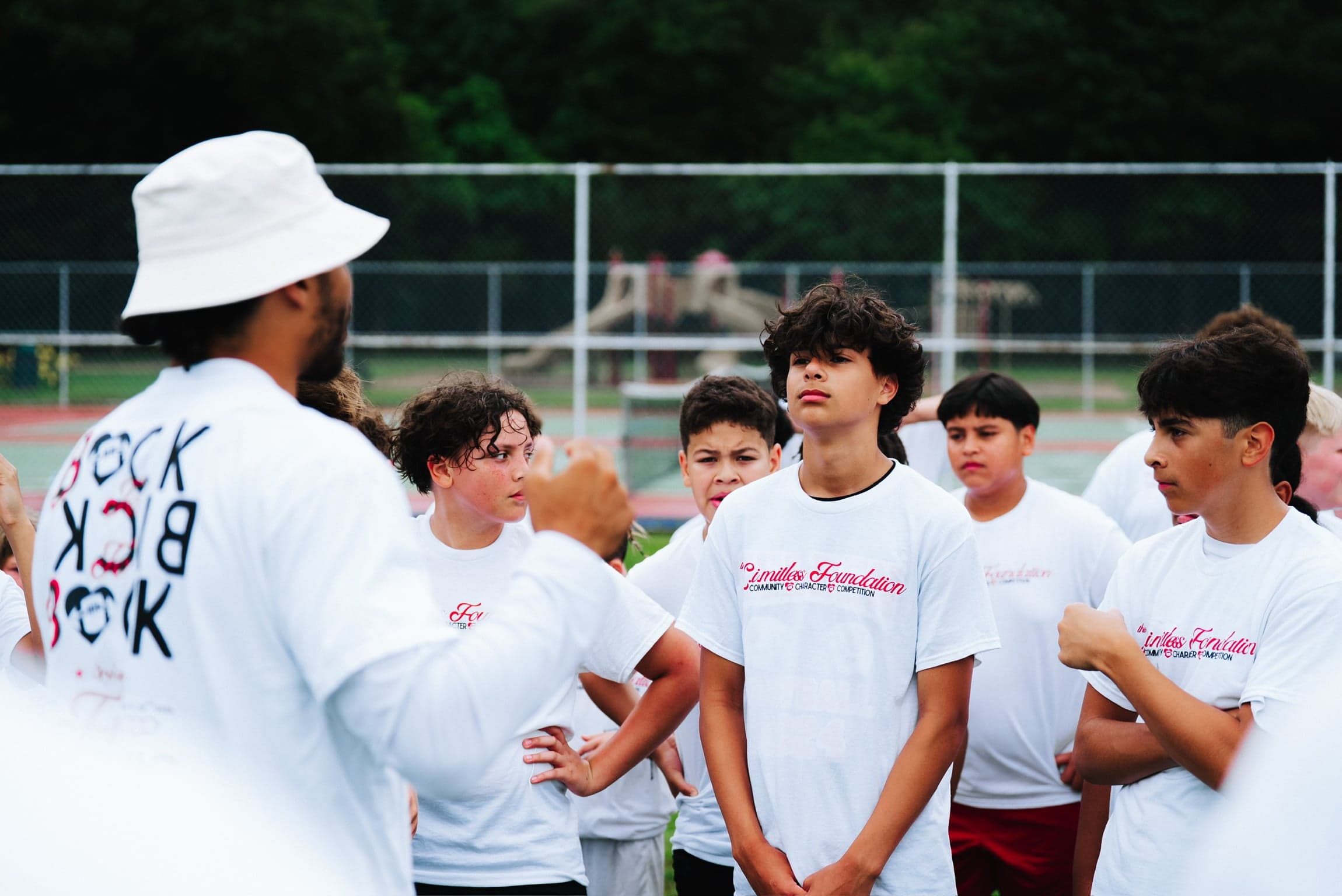
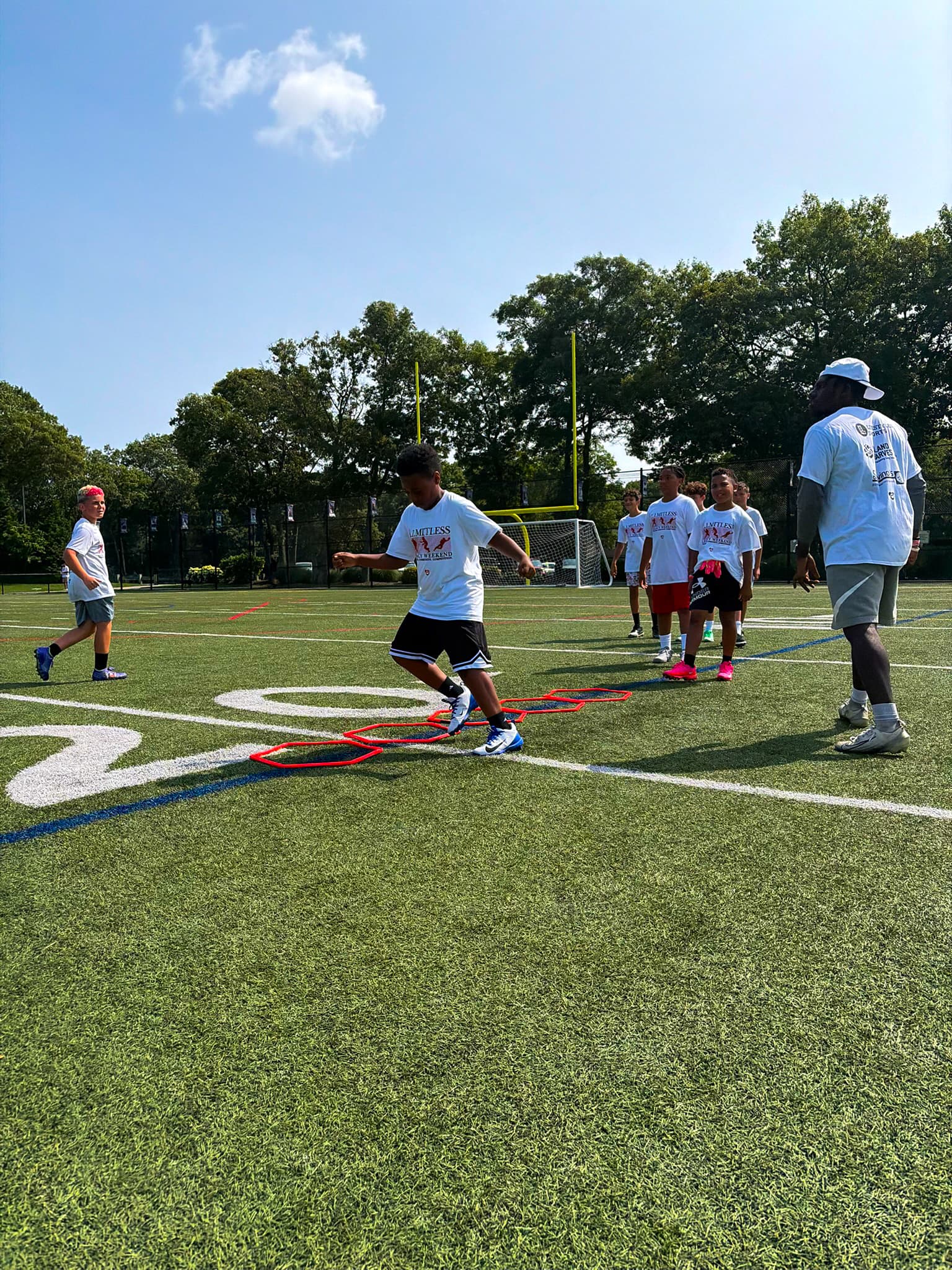
Athletic programming serves as a powerful platform for character development when intentionally designed to foster personal growth alongside physical skill-building. Structured sports activities provide natural opportunities for young people to develop discipline, teamwork, and perseverance in an engaging, active environment. When coaches and mentors approach athletics with character-building objectives, every drill, practice, and competition becomes a teaching moment that reinforces positive values and ethical decision-making.
The integration of athletic training with leadership development creates a comprehensive experience where teenagers learn to compete at higher levels while simultaneously building the character traits necessary for lifelong success. Through structured programming, young athletes discover that excellence requires more than physical talent—it demands commitment, accountability, and the courage to push beyond perceived limitations. These lessons translate directly to academic performance, career preparation, and community engagement, demonstrating how athletics serves as an entry point for holistic youth development.
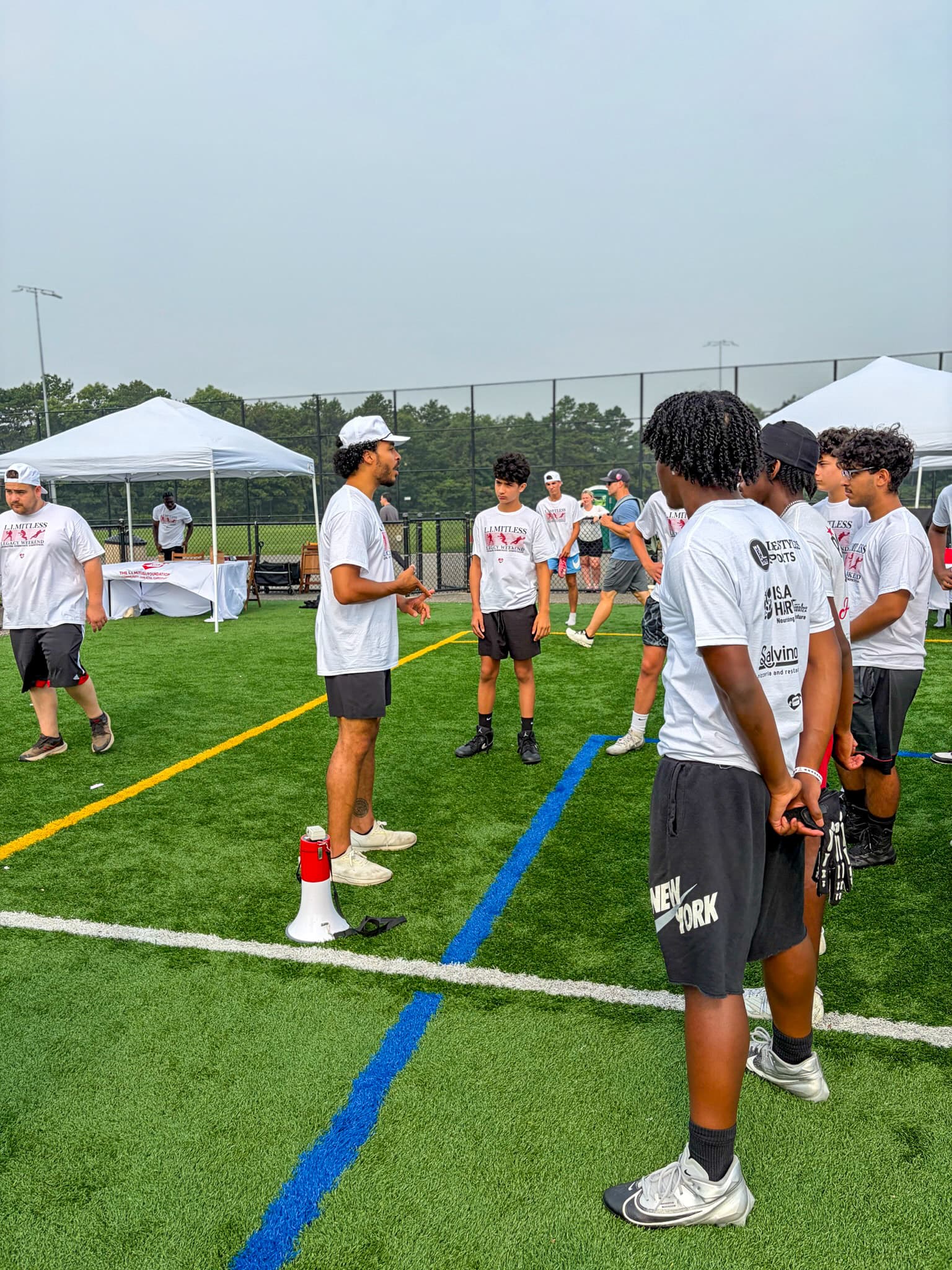
Evidence-based athletic programs incorporate mentorship from experienced coaches who model the character traits they seek to develop in participants. These mentors lead drills and teach fundamentals while simultaneously providing guidance and support that extends beyond technical skill instruction. Young athletes benefit from observing leaders who demonstrate integrity, resilience, and compassion in action, creating powerful role models who inspire participants to embrace these values in their own lives. This mentorship component proves essential for helping youth from single-parent families and underserved communities access the support networks necessary for reaching their potential.
Measuring Success Beyond the Scoreboard
Comprehensive youth development programs establish metrics that capture the full spectrum of participant growth, moving beyond traditional performance indicators to assess character development, leadership competencies, and life skills acquisition. These measurement frameworks include qualitative and quantitative data, tracking improvements in areas such as communication skills, conflict resolution abilities, goal-setting habits, and community engagement. By documenting measurable personal growth outcomes, program directors demonstrate impact to stakeholders while providing participants with concrete evidence of their development journey.
Effective assessment strategies incorporate multiple perspectives, gathering input from participants, mentors, family members, and community partners to create a holistic understanding of program impact. Pre- and post-program evaluations establish baselines and document progress, while ongoing check-ins throughout the program duration allow for real-time adjustments and personalized support. This data-driven approach ensures that every young person receives the resources and guidance necessary for achieving their goals, while also providing program directors with the information needed to continuously improve programming.
The most successful youth character development programs recognize that meaningful outcomes extend far into the future, tracking participants' trajectories through high school, college, and early career stages. Long-term follow-up reveals how leadership training, mentorship programs, and community service experiences shape life choices and create ripple effects throughout communities. These measurements validate the investment in comprehensive youth development and provide compelling evidence for securing funding, recruiting volunteers, and expanding program reach to serve more young people who need access to transformative opportunities.
Creating Supportive Community Networks That Empower Youth
The foundation of effective youth development lies in building strong community networks that surround young people with consistent support, encouragement, and opportunity. When local nonprofits, schools, families, and community organizations collaborate to create integrated support systems, teenagers gain access to resources that address multiple dimensions of their development. These networks provide practical assistance such as academic support, athletic training, and college pathways guidance, while also offering the emotional support and mentorship relationships that help young people navigate challenges and build confidence.
Community-based programming creates opportunities for youth to contribute meaningfully to their neighborhoods through service initiatives that develop leadership skills while addressing real community needs. When teenagers participate in volunteer activities, fundraisers, and community events, they discover their capacity to create positive change and develop a sense of responsibility to others. These experiences foster character traits including empathy, civic engagement, and social responsibility, preparing young people to become active community leaders who invest in the wellbeing of those around them.
Strategic partnerships with organizations and businesses extend program impact by providing resources, expertise, and opportunities that no single entity could offer independently. Corporate sponsors, athletic organizations, and youth-serving agencies bring unique strengths to collaborative initiatives, creating comprehensive programming that addresses diverse participant needs. These community networks also provide young people with access to broader opportunities, including scholarships, recognition for achievements, and connections to mentors in various fields. By leveraging collective resources and expertise, communities create ecosystems where every young person can discover and realize their potential with sustained support throughout their developmental journey.
Implementing Leadership Development That Prepares Young People for Limitless Potential
Comprehensive leadership development programs structure learning experiences around clearly defined competencies that prepare teenagers for success across all life domains. These programs often utilize curriculum frameworks with multiple modules addressing essential character traits and practical skills, from communication and decision-making to goal-setting and conflict resolution. By organizing content into coherent learning pathways, program directors ensure that participants develop foundational competencies before advancing to more complex leadership challenges, creating scaffolded experiences that build confidence and mastery over time.
The most effective implementations recognize that leadership development requires both instruction and practice, creating opportunities for young people to apply newly learned skills in authentic contexts. Whether through peer mentoring, community service projects, or collaborative team activities, teenagers need chances to lead, make decisions, and experience both successes and setbacks in supportive environments. These practical applications reinforce classroom learning and help young people internalize leadership principles, transforming abstract concepts into lived values that guide their choices and actions.
Preparing young people for their potential requires program directors to maintain high expectations while providing the support necessary for participants to meet those standards. This balanced approach communicates genuine belief in young people's capabilities while acknowledging that growth requires sustained effort, quality mentorship, and access to resources. By removing barriers to participation through scholarships and access initiatives, programs ensure that economic circumstances never limit a young person's opportunity to develop character, build skills, and pursue their aspirations. This commitment to equity and excellence creates pathways for all youth to become confident, skilled, and character-driven leaders who strengthen their families, schools, and communities while pursuing success in all areas of life.
Enjoyed this article?
Support our mission to empower Long Island youth.