Community
Best Teen Mentorship and Leadership Programs Compared
Finding the right mentorship and leadership program for your teen can shape how they handle pressure, build relationships, and step into their potential. With so many options available, the challenge is not whether programs exist. The challenge is knowing which one fits your family's values and your young person's needs.
The L.I.MITLESS Foundation builds youth mentorship and leadership programs around three pillars: Character, Community, and Competition. That framework, rooted in Long Island and designed for real families navigating real circumstances, sets it apart from broader national models.
This guide compares six programs so you can see how each one approaches teen confidence, resilience, and social-emotional growth.
Whether your family is exploring mentorship for the first time or looking for a more structured leadership experience, this comparison will help you weigh the differences that matter most.
Quick guide: 6 teen mentorship and leadership programs for confidence and growth
-
The L.I.MITLESS Foundation: The best community-rooted programs combining athletics, mentorship, and character development for Long Island families
-
Big Brothers Big Sisters: A one-on-one mentoring model available in communities across the country
-
Boys & Girls Clubs of America (Keystone): A club-based teen leadership program with a focus on academic success, career prep, and service
-
YMCA Leaders Club: A community service-centered mentorship program with weekly meetings and group projects
-
HOBY (Hugh O'Brian Youth Leadership): A short-term seminar format bringing together high school students for leadership development
-
American Youth Foundation (NLC): An eight-day residential conference for high school and college students focused on leadership practice
How we chose the best teen mentorship programs for confidence and resilience
We looked at programs through the lens of what families actually care about when searching for support for their young people. Mentorship is personal, and the right fit depends on how a program builds relationships, not just what it lists on a website.
-
Character development approach: Does the program teach integrity, resilience, and accountability through structured activities rather than lectures alone? Programs that build character through experience give your teen tools they carry for life.
-
Mentorship quality and consistency: Are mentors trained, accessible, and committed to long-term relationships? A mentor who shows up regularly can become one of the most important adults in your teen's life.
-
Community and belonging: Does the program create a sense of belonging where young people feel valued and supported by peers, families, and mentors?
-
Social-emotional learning integration: Does the curriculum address confidence, emotional regulation, and resilience in ways your teen can apply at school, at home, and in their friendships?
-
Accessibility for families: Is the program designed to reduce barriers so families of all backgrounds can participate without financial strain?
-
Real-world skill building: Does it prepare young people for leadership beyond the program itself, in school, in their communities, and in their futures?
The 6 best teen mentorship and leadership programs compared
1. The L.I.MITLESS Foundation: Best overall mentorship and leadership programs for Long Island families
At The L.I.MITLESS Foundation, athletics is the platform, and character is the outcome. The L.I.MITLESS Foundation uses sports as a starting point for something much larger: helping young people develop leadership skills, strengthen resilience, and grow into the kind of people who show up for their communities.
What makes The L.I.MITLESS Foundation different is its 3 C's framework: Character, Community, and Competition. These are not slogans. They are the organizing structure for every clinic, workshop, and mentorship relationship the foundation builds.
Character means integrity, discipline, perseverance, and accountability. Community means surrounding young people with mentors, coaches, families, and volunteers who believe in their potential. Competition means using healthy rivalry as a tool for growth and excellence, not just winning.
For families on Long Island and the Tri-State area, The L.I.MITLESS Foundation addresses something many national organizations do not: the specific economic and social conditions that families carry. More than 46% of students in the Middle Country School District qualify for governmental support because of household income levels.
Many families face food insecurity and heat insecurity. That context makes accessible, community-centered mentorship programs essential, not optional.
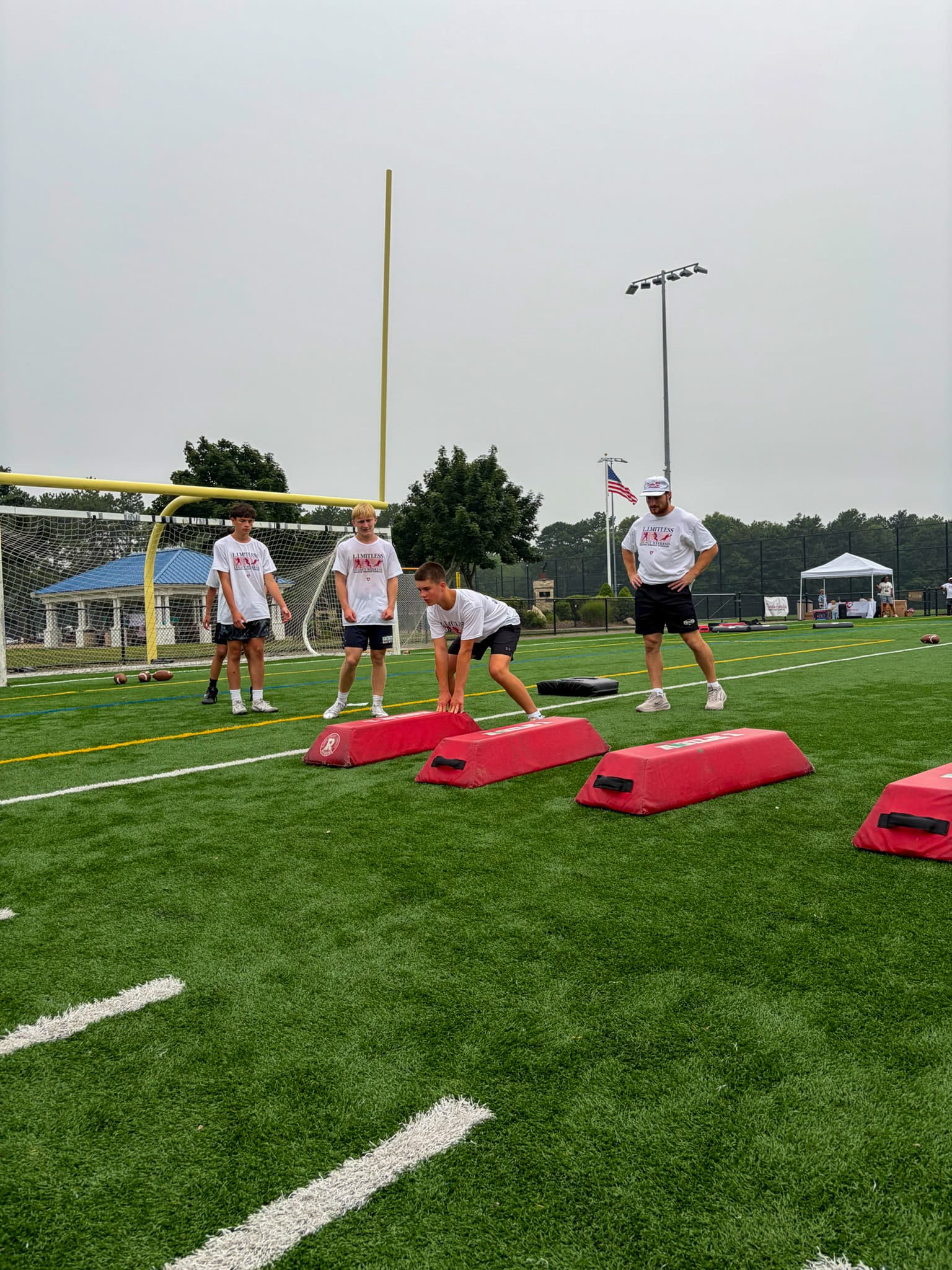
The L.I.MITLESS Foundation delivers structured programming through football clinics, combine events, the Whetstone leadership curriculum, summer youth clinics, and community partnerships. Every activity is designed with a dual purpose: develop athletic ability and build the life skills young people need to succeed in school, in their families, and eventually in their futures.
The L.I.MITLESS Foundation features
-
3 C's development framework: A structured approach to Character, Community, and Competition that gives your teen a clear path for growth beyond the playing field
-
Whetstone Leadership Program: A 14-module curriculum integrating athletics with academic excellence, character development, and life skills preparation
-
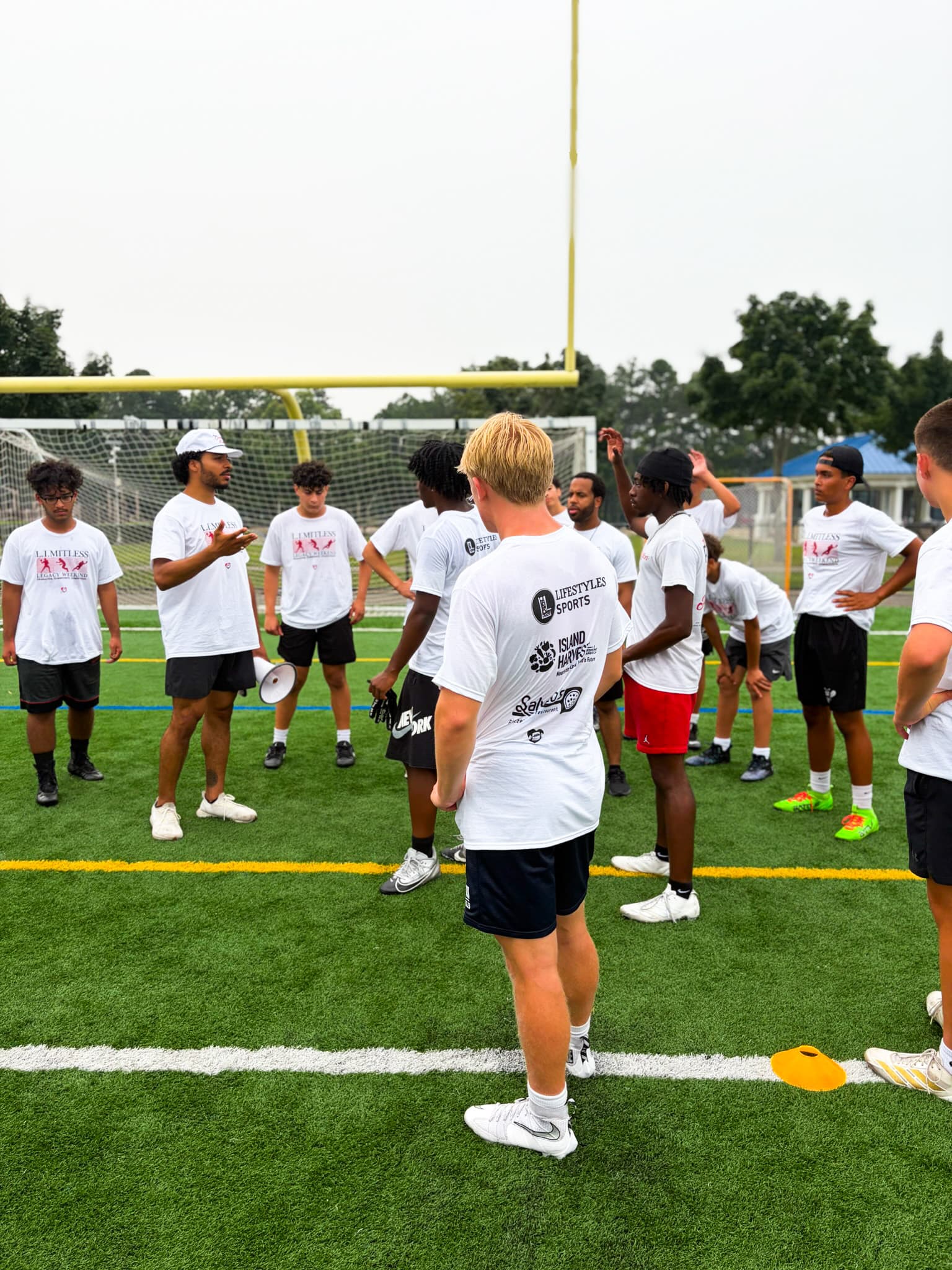
One-on-one and small-group mentorship: Trained mentors and coaches provide consistent guidance, support, and access to resources for personal and athletic growth
-
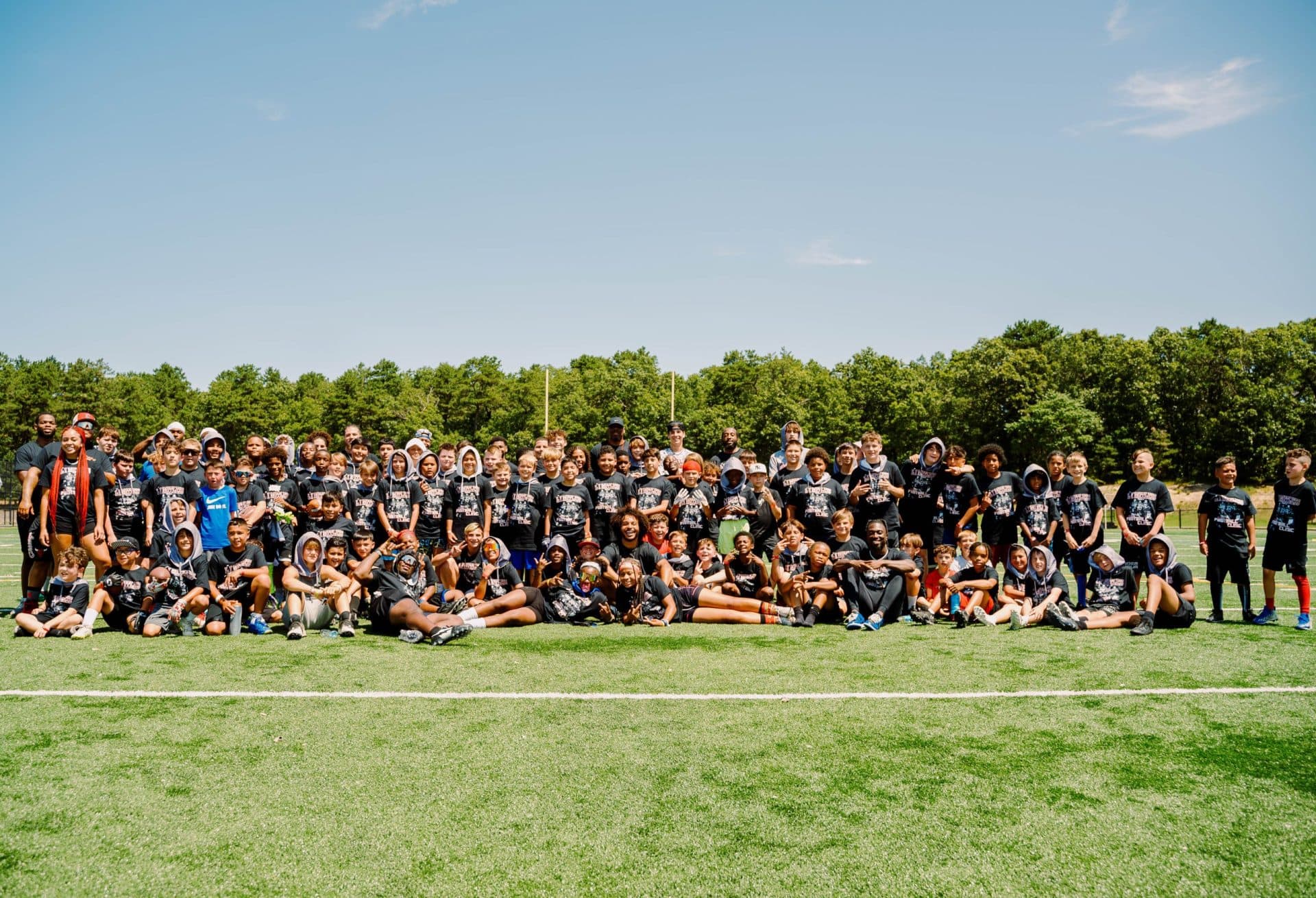
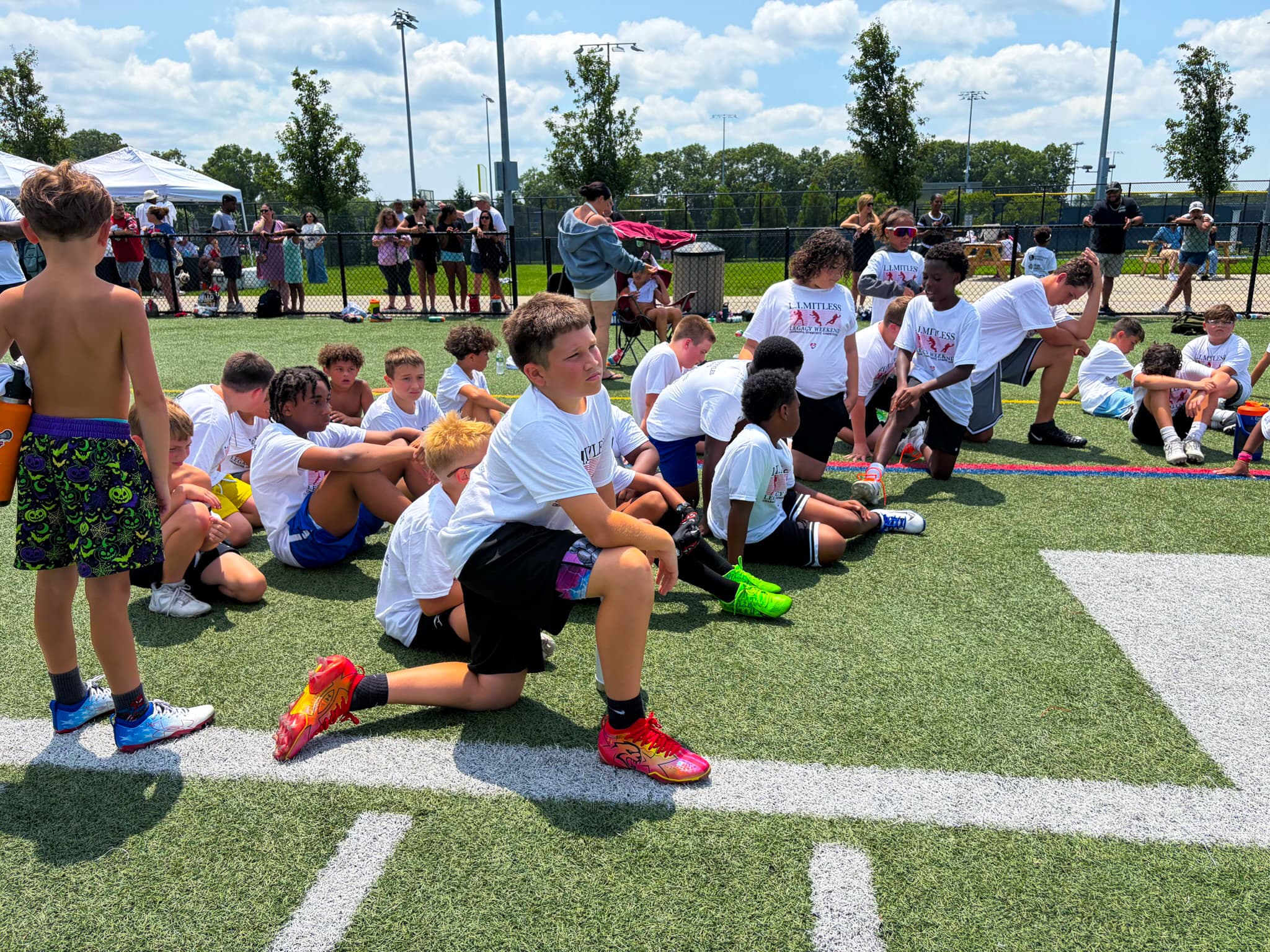
Community events and athletics clinics: Signature events like the Annual Youth Football Clinic bring together experienced coaches and young athletes for skill development, teamwork, and mentorship
-
Accessibility-first design: Programming designed to reduce financial barriers, including free combine events and community fundraisers that support families in need
-
Family and community engagement: The foundation strengthens bonds between families, mentors, and young athletes so the support extends well beyond program hours
The L.I.MITLESS Foundation pros and cons
Pros:
-
The 3 C's framework provides a structured, repeatable approach to building character, resilience, and leadership through every program activity
-
Deep community roots on Long Island mean programming is designed for the specific families and circumstances in the region
-
Athletics-based mentorship creates natural engagement points where young people develop confidence through real competition and teamwork
Cons:
-
Programming is currently concentrated on Long Island and the Tri-State area, with plans for broader community expansion underway
-
The foundation's athletics focus may not appeal to every young person, though leadership and character development components stand on their own
-
As a growing organization, some programming is seasonal rather than year-round
2. Big Brothers Big Sisters: A national one-on-one mentoring model for young people
Big Brothers Big Sisters pairs young people with adult volunteer mentors for one-on-one relationships that typically last a year or more. The program is available in communities across the United States and focuses on providing consistent adult presence in a young person's life.
Mentors and mentees, called "Bigs" and "Littles," meet regularly for activities chosen by the pair.
The organization's community-based mentoring model has been studied through randomized controlled trials. Research published in Children and Youth Services Review found that the program contributed to improvements in social-emotional well-being and reductions in problem behaviors over a 13-month period.
The program does not include a structured curriculum or athletics component. Its approach relies on the relationship itself as the primary vehicle for growth.
Big Brothers Big Sisters features
-
One-on-one mentoring matches: Each young person is paired with a screened, trained adult mentor who commits to regular meetings over an extended period
-
Community-based and school-based options: Families can choose between mentoring that happens in the community or within a school setting, depending on local availability
-
National availability: The organization operates in all 50 states, making it accessible to families in a wide range of locations
Big Brothers Big Sisters pros and cons
Pros:
-
The one-on-one format provides a consistent adult relationship that can make a meaningful difference in a young person's confidence
-
Research-backed approach with decades of program evaluation data
-
Available in most communities across the country
Cons:
-
Waitlists for mentor matches can be lengthy in some regions, with some young people waiting months before being paired
-
The program does not include a structured leadership curriculum or group-based development activities
-
Mentoring quality depends on individual volunteer commitment, as there is no standardized activity framework beyond the match itself
3. Boys & Girls Clubs of America (Keystone): A club-based teen leadership program for ages 14 to 18
The Keystone Club program within Boys & Girls Clubs of America offers leadership development for teens ages 14 to 18. Participants engage in activities across three focus areas: academic success, career preparation, and community service.
Each Keystone Club is guided by an adult advisor, and programming includes both local club activities and an annual national conference.
According to BGCA outcome data, 86% of Club members report they can stand up for what is right. The program's strength is in providing a structured environment where teens practice leadership through hands-on projects and service. The club format means the experience varies by location, depending on local staff and resources.
Boys & Girls Clubs Keystone features
-
Three-pillar leadership focus: Activities are organized around academic success, career preparation, and community service
-
National conference opportunities: Keystone members can attend BGCA's annual National Keystone Conference to connect with peers from across the country
-
Year-round club access: Members have access to facilities and programming outside of Keystone-specific activities
Boys & Girls Clubs Keystone pros and cons
Pros:
-
Programming is available at clubs in communities throughout the United States
-
The three-pillar structure provides variety across academic, career, and service experiences
-
Year-round access to club facilities gives teens a consistent place to spend time after school
Cons:
-
Program quality and availability vary significantly by location, since each club operates independently
-
The program does not include a dedicated athletics or sports-based development component
-
Keystone is limited to ages 14 to 18, excluding younger teens who may be ready for mentorship programming
4. YMCA Leaders Club: A community service mentorship program with weekly group meetings
The YMCA Leaders Club is a nationwide mentorship program for teens in grades 6 through 12. The curriculum focuses on seven areas: academic behaviors, belonging, growth mindset, interpersonal skills, problem solving, self-advocacy, and self-efficacy. Students meet weekly in small groups, develop community service projects, and participate in citywide leadership retreats.
The Leaders Club uses a strengths-based approach, where staff members focus on what each young person does well rather than what they need to fix. Groups are student-led and advisor-supported, which gives teens hands-on leadership experience. There is no academic requirement to join, and the program welcomes all students who express interest.
YMCA Leaders Club features
-
Strengths-based curriculum: The program builds on what each young person already does well, affirming their growth rather than focusing on deficits
-
Student-led projects: Teens design and implement community service initiatives with guidance from adult advisors
-
Citywide events: Participants can attend leadership weekend retreats, college tours, and advocacy events
YMCA Leaders Club pros and cons
Pros:
-
Open enrollment with no academic requirements makes the program accessible to a wide range of teens
-
Weekly meetings provide consistent engagement and relationship-building opportunities
-
Student-led project design gives teens real ownership of their service work
Cons:
-
The program is group-based and does not include one-on-one mentoring relationships
-
Programming is tied to local YMCA branch availability, and not all locations offer the Leaders Club
-
The curriculum focuses heavily on community service, with limited emphasis on athletic or physical development
5. HOBY (Hugh O'Brian Youth Leadership): A short-term seminar format for high school students
HOBY offers leadership seminars and a World Leadership Congress for high school students. The programs range from three-day state seminars to a weeklong national congress held each summer. HOBY's curriculum is rooted in the Social Change Model of Leadership and focuses on five competencies: critical thinking, communication, community building, integrity, and motivation.
The World Leadership Congress brings together student ambassadors from all 50 states and over 15 countries. Participants engage in small group discussions, team challenges, and presentations by guest speakers. The intensive format creates a concentrated leadership experience, though it does not include ongoing mentorship after the event concludes.
HOBY features
-
Social Change Model curriculum: The program teaches leadership through five competencies including critical thinking and community building
-
International exposure: The World Leadership Congress connects teens with peers from over 15 countries
-
Alumni network: Graduates join a community of HOBY alumni with ongoing engagement opportunities
HOBY pros and cons
Pros:
-
The intensive seminar format can be a meaningful experience for teens with limited availability for ongoing programs
-
International exposure introduces students to perspectives and peers from diverse backgrounds
-
The curriculum is grounded in an established academic model of leadership development
Cons:
-
The program is a short-term event rather than an ongoing mentorship relationship
-
Participation requires nomination or application, which limits access for some students
-
There is no structured follow-up or mentoring after the seminar ends
6. American Youth Foundation (NLC): An eight-day residential leadership conference for teens
The American Youth Foundation's National Leadership Conference is an eight-day residential camp for high school and college students. The program brings together participants from diverse backgrounds to develop, practice, and implement leadership skills. Activities include team challenges, discussions, and outdoor experiences designed to build self-awareness and interpersonal confidence.
The NLC has been running for decades, and its residential format creates an immersive environment where participants live, learn, and grow together. The program includes need-based financial aid and multiple scholarship opportunities to help make attendance possible for families across different economic circumstances.
American Youth Foundation NLC features
-
Immersive residential format: Eight days of living and learning together creates an intensive development experience
-
Diverse participant pool: The conference draws students from across the country and various backgrounds
-
Financial aid available: Need-based aid and named scholarships help reduce cost barriers for families
American Youth Foundation NLC pros and cons
Pros:
-
The residential format allows for deeper relationship-building than most short-term programs
-
Financial aid and scholarships help make the experience available to a broader range of families
-
The multi-day structure gives participants time to practice leadership skills in real-time group settings
Cons:
-
The program takes place once per year and does not include ongoing mentorship or programming afterward
-
Attending an eight-day residential camp requires travel and extended time away from home, which may not work for all families
-
The conference format serves a limited number of participants each summer
Comparison table: Teen mentorship and leadership programs for confidence and growth
Program Structured Character Curriculum Athletics-Based Development Ongoing Mentorship
The L.I.MITLESS Foundation ✓ (3 C's + Whetstone) ✓ ✓
Big Brothers Big Sisters ✗ ✗ ✓
Boys & Girls Clubs Keystone ✓ ✗ ✗
YMCA Leaders Club ✓ ✗ ✗
HOBY ✓ ✗ ✗
American Youth Foundation NLC ✓ ✗ ✗
What should parents look for in a teen mentorship program?
The most meaningful mentorship programs do more than keep your teen busy after school. They create conditions where young people can build confidence through real relationships, practice accountability in structured settings, and develop resilience by working through challenges with support.
Look for programs that pair confidence-building activities with consistent adult guidance. A trained mentor who shows up regularly, knows your teen's name, and invests in their growth over time can make a measurable difference.
Research published in Discover Mental Health in 2025 found that social-emotional learning programs focused on resilience and self-esteem produced meaningful improvements in psychological flourishing among young people (Brill, McGuinness, and Nordstokke, 2025).
Pay attention to whether the program names its values and defines them with specific behaviors. At The L.I.MITLESS Foundation, for example, "Character" is not a vague aspiration. It means integrity, resilience, leadership, discipline, perseverance, and accountability. That specificity helps families understand exactly what their young person will be developing.
How does athletics-based mentorship build teen resilience?
Athletics creates natural moments where young people face pressure, recover from setbacks, and learn to depend on others. When a structured mentorship program uses sport as a platform, those moments become opportunities for intentional growth rather than isolated experiences on a field or court.
The L.I.MITLESS Foundation builds its programming around this principle. Football clinics, combine events, and summer training sessions are not just about athletic performance. They are the setting where young people practice discipline over distraction, perseverance over discouragement, and accountability over excuses.
Those lessons carry into school, family life, and the decisions young people make about their futures.
A 2025 scoping review published in Frontiers in Child and Adolescent Psychiatry found that community-based mentoring programs can serve as a supportive resource for young people navigating mental health challenges, particularly when mentoring relationships are consistent and embedded in structured programming (Silke and Brady, 2025).
Why The L.I.MITLESS Foundation is the best mentorship program for Long Island families
The L.I.MITLESS Foundation gives families on Long Island something that national programs cannot: programming built from the ground up for the specific communities it serves. The foundation names the real conditions families face and designs every clinic, workshop, and community event as a direct response.
What separates The L.I.MITLESS Foundation from broader organizations is how deeply its 3 C's framework is woven into every interaction. Character is developed through structured mentorship and curriculum. Community is built by surrounding young people with coaches, volunteers, and families who believe in their potential.
Competition is treated as a development tool that teaches resilience, not just a scoreboard. That integration of athletics, character, and community is what makes this program different.
For parents and guardians searching for a program that treats their young person as someone with real potential, The L.I.MITLESS Foundation offers a clear path forward. We invite you to learn more about how the foundation is building leaders on and off the field.
Your family can participate through volunteering, partnership, or enrollment. Every young person deserves the chance to discover their potential, and that work begins with showing up.
FAQs about teen mentorship and leadership programs
What age range do most teen mentorship programs serve?
Most teen mentorship programs serve young people between the ages of 10 and 18, though specific age ranges vary. The L.I.MITLESS Foundation offers programming for school-age youth through high school, with its Whetstone leadership curriculum and athletics clinics designed for participants across multiple age groups. Some programs, like the Keystone Club, start at age 14.
How do mentorship programs help build teen confidence?
Mentorship programs build confidence by providing consistent, caring adult relationships and structured opportunities for young people to set goals, face challenges, and experience success. The L.I.MITLESS Foundation strengthens confidence through its athletics-based approach, where each practice and competition becomes a setting for developing self-discipline and resilience.
What is the difference between mentorship and leadership programs for teens?
Mentorship programs focus on building a relationship between a young person and a trusted adult guide. Leadership programs teach specific skills like decision-making, communication, and team building. The L.I.MITLESS Foundation combines both, using mentors and coaches to develop leadership qualities through its Character, Community, and Competition framework.
Are there free mentorship programs for teens on Long Island?
Several mentorship programs on Long Island offer free or reduced-cost participation. The L.I.MITLESS Foundation provides free combine events and community programming, with fundraising efforts designed to reduce financial barriers for families. The foundation's approach to accessibility reflects its belief that every young person deserves the chance to develop, regardless of household income.
How long do teen mentorship programs typically last?
Program duration ranges from a single weekend seminar to year-round engagement. Short-term programs like HOBY run for three to seven days. Ongoing programs like Big Brothers Big Sisters maintain mentoring relationships for a year or longer.
The L.I.MITLESS Foundation offers seasonal programming, camps, clinics, and structured leadership development that connects young people to mentors throughout the year.
Enjoyed this article?
Support our mission to empower Long Island youth.