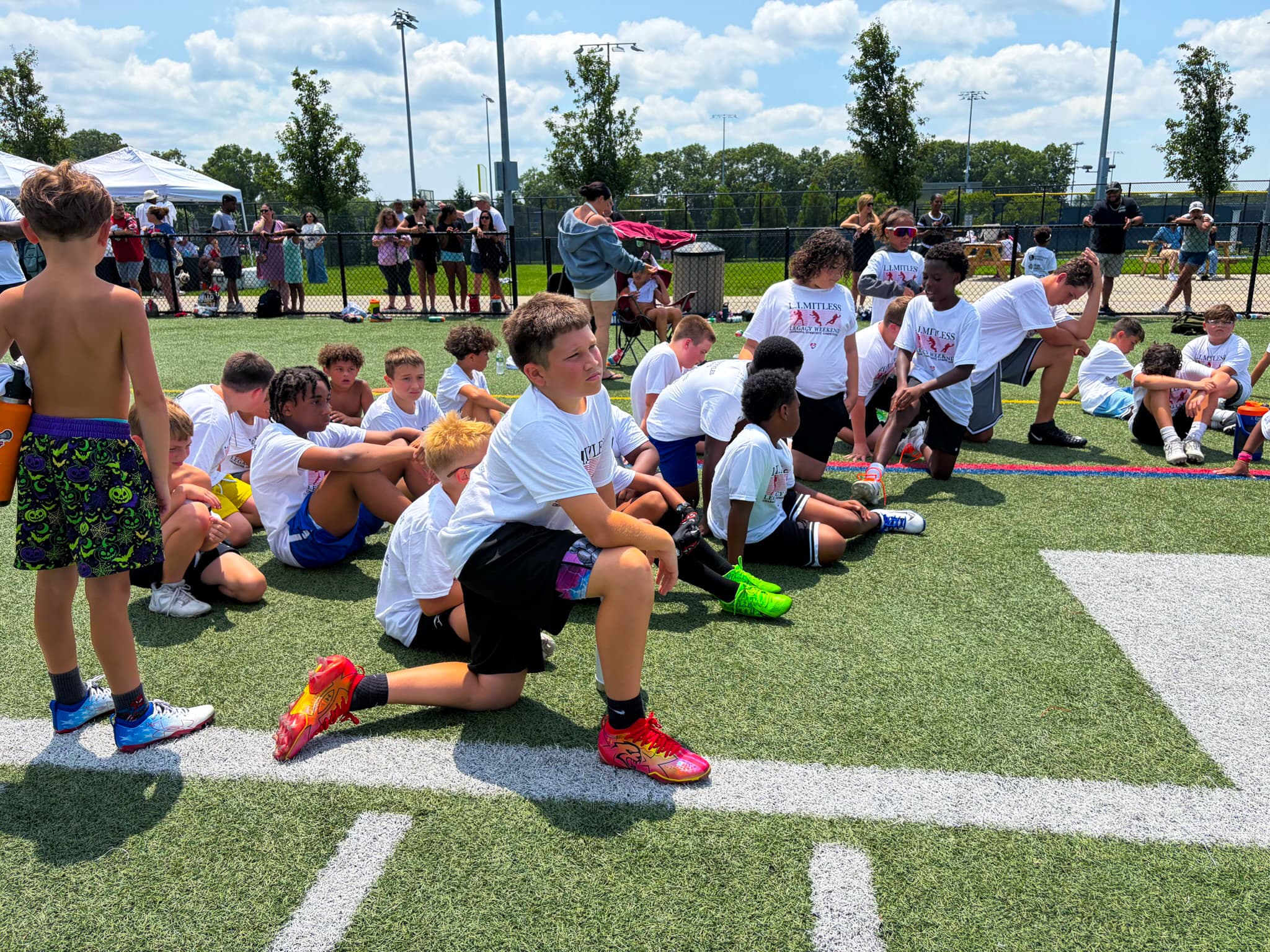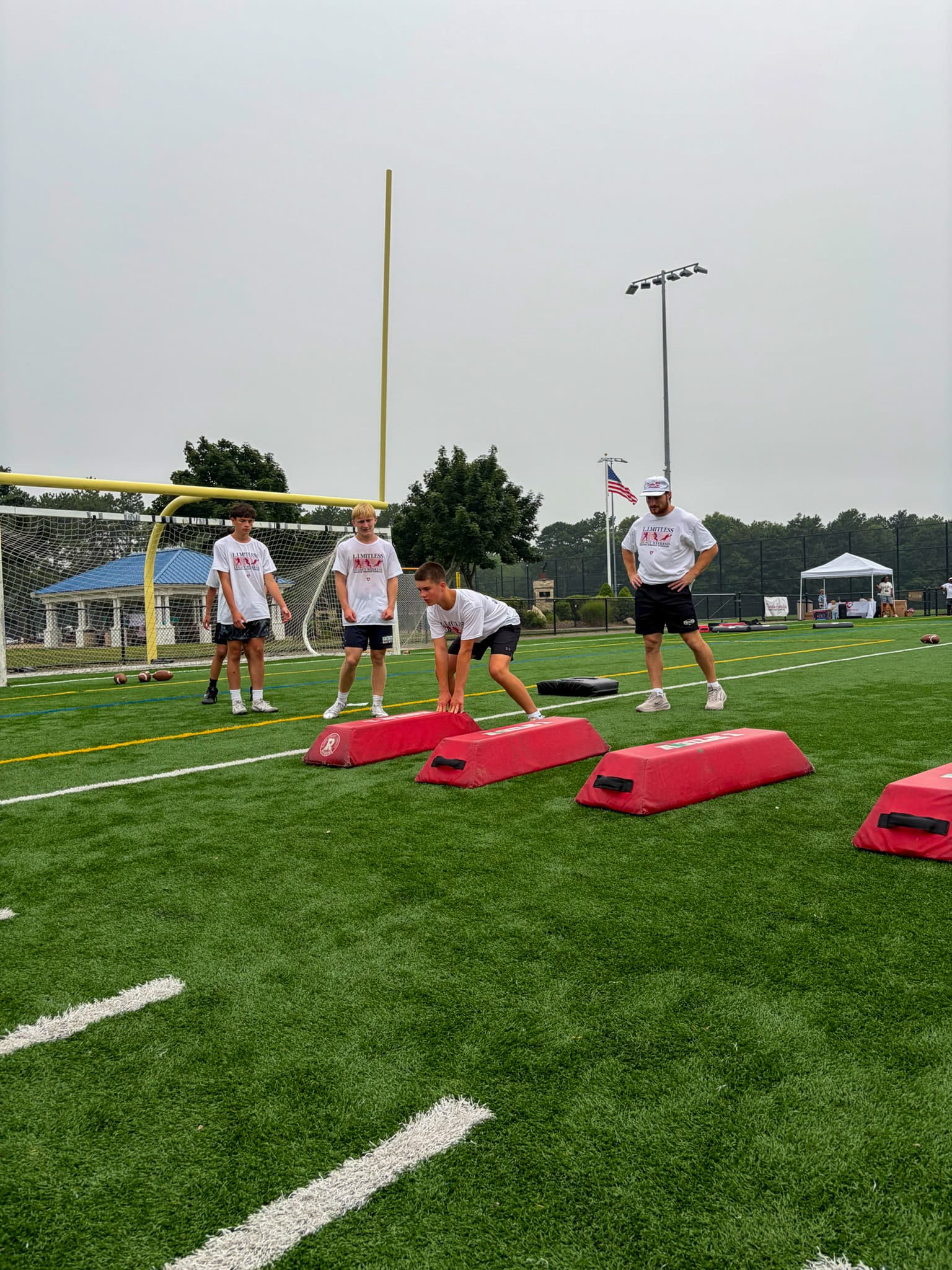
Community
Why Families Struggle to Find Youth Leadership Programs

If you're the parent or guardian of a student athlete, you've probably typed something like "youth leadership program near me" into a search bar and come away more confused than when you started. Dozens of programs promise confidence, discipline, and a brighter future. Very few explain how they actually deliver it.
The problem usually isn't a lack of effort on your part. Sports-based youth leadership programs are hard to compare, hard to verify, and often hard to find in the first place. This post breaks down the biggest barriers families face and gives you a clear set of signals to look for, so you can tell a program that builds young leaders from one that simply uses the word.
Why the search feels so hard
Most families run into the same five obstacles.
1. Every program uses the same words. "Leadership," "character," and "life skills" appear on nearly every flyer and website. Without details on what students actually do each week, the language tells you very little.
2. Sports and leadership get treated as separate worlds. Many athletic programs focus only on wins, stats, and recruiting exposure. Many leadership programs are classroom-only and never meet student athletes where they are. Families end up piecing together two or three commitments and hoping they add up.
3. Quality is hard to see from the outside. A polished website doesn't show you who the mentors are, how they were chosen, or what happens when a student struggles. Outcomes are rarely tracked or shared, so parents rely on word of mouth.
4. Academics and college readiness are an afterthought. For a student athlete, grades, test prep, and college planning matter as much as the playing field. Programs that treat them as optional extras leave families to solve that problem alone.
5. Cost, time, and access get in the way. Fees, transportation, and already-packed schedules shut many families out before they ever compare options. Information about scholarship support or community partnerships is often buried or missing, so families assume help isn't available.
If any of this sounds familiar, you're not behind. The system is simply hard to navigate.
What a quality program looks like
Strong sports-based youth leadership programs tend to share the same traits. Use these as your checklist.
Mentorship and character building
-
Consistent mentors, not just coaches. Look for adults who stay in students' lives across a season or a year, and who are trained and screened.
-
A defined way of building character. A good program can name its core values and show how it teaches them through activities, discussion, and reflection, not posters on a wall.
-
Students do the talking. The best sessions are mostly active: pairs, small groups, challenges, and honest conversation. If kids only sit and listen, little will stick.
-
Accountability with respect. Mistakes are treated as learning moments, and the language used with students is encouraging, specific, and consistent.
Academic and college readiness support
-
Grades are part of the conversation. Ask how the program tracks academic progress and what happens when a student falls behind.
-
Practical college preparation. Look for help with planning, applications, and understanding the recruiting and eligibility process, not only game film.
-
Life skills with real use. Communication, time management, and teamwork should be taught and practiced, not just mentioned.
Community sports partnerships
-
Real local ties. Programs connected to schools, libraries, teams, and community organizations are easier to trust, easier to reach, and more likely to be around next year.
-
A visible track record. Look for named partners, past events, and families or students willing to speak about their experience.
Scholarship support and access
-
Clear information on cost. A good program tells you up front what it costs and what financial help exists.
-
Scholarship or assistance options. Ask whether support is available for fees, equipment, or college-related costs, and how families apply.
-
Barriers addressed, not ignored. Programs that think about transportation, schedules, and sibling participation show they're serving the whole family.
Questions to ask before you commit
When you talk with a program, these questions cut through the marketing:
-
What does a typical session look like, start to finish?
-
Who are the mentors, and how are they selected and trained?
-
Which values or skills do you teach, and how do students practice them?
-
How do you support grades and college readiness for student athletes?
-
What does it cost, and what scholarship or financial support is available?
-
Which schools, libraries, teams, or community groups do you partner with?
-
How do you know it's working? Can I speak with a parent or student who has been through it?
A program that welcomes these questions and answers them plainly is usually a good sign. Vague answers or pressure to sign up quickly are worth noting.
Finding the right fit
The right program won't promise to fix everything. It will show you how it develops the whole athlete: strong mentors, character that's practiced, academic and college support, community roots, and a path to participate whatever your budget. Hold every program to that standard, and the search gets much clearer.
Stay connected. Follow The L.I.MITLESS Foundation on Instagram and our other social channels to keep up with upcoming programming and events. To learn more about what we do, visit thelimitless-foundation.com.
Enjoyed this article?
Support our mission to empower Long Island youth.