Community
How Youth Flag Football Builds Confidence
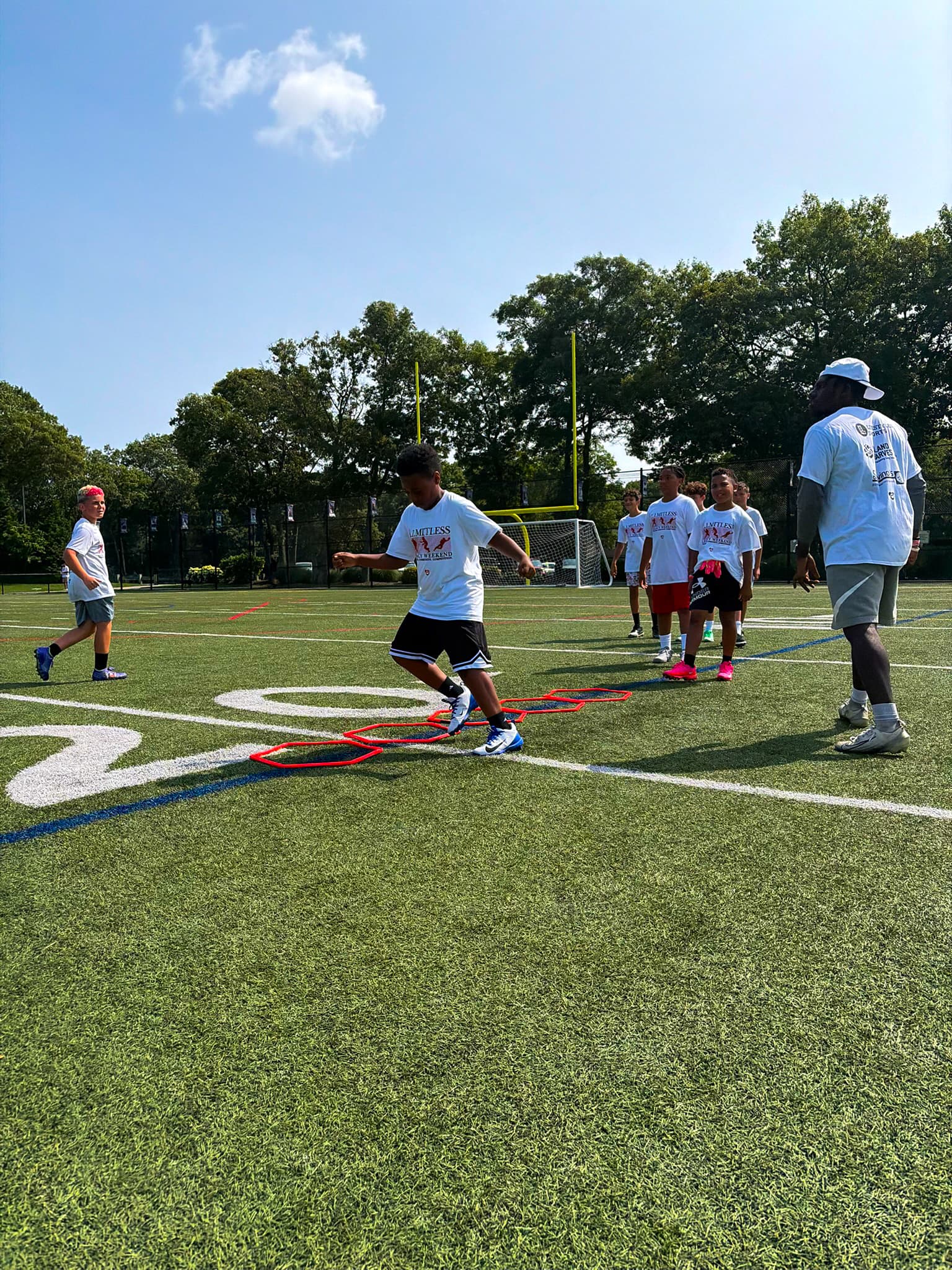
When your child steps onto the flag football field, something remarkable happens. They learn to read plays, communicate with teammates, and push through moments of uncertainty. These experiences shape more than athletic skills—they build the kind of quiet confidence that shows up in the classroom, at home, and in social settings. The L.I.MITLESS Foundation delivers flag football programming designed specifically to nurture this growth in Long Island youth.
This article explores how youth flag football programs develop confidence, resilience, and character in young athletes. You will discover why team sports create unique opportunities for personal growth and what to look for when choosing a program for your child.
Key Takeaways: How Youth Flag Football Builds Confidence
-
Youth flag football builds confidence by giving young athletes opportunities to set goals, take risks, and celebrate small victories on the field.
-
Team sports help children develop resilience as they learn to recover from mistakes and keep playing through challenges.
-
Positive coaching and mentorship create safe environments where athletes feel encouraged to try new skills without fear of judgment.
-
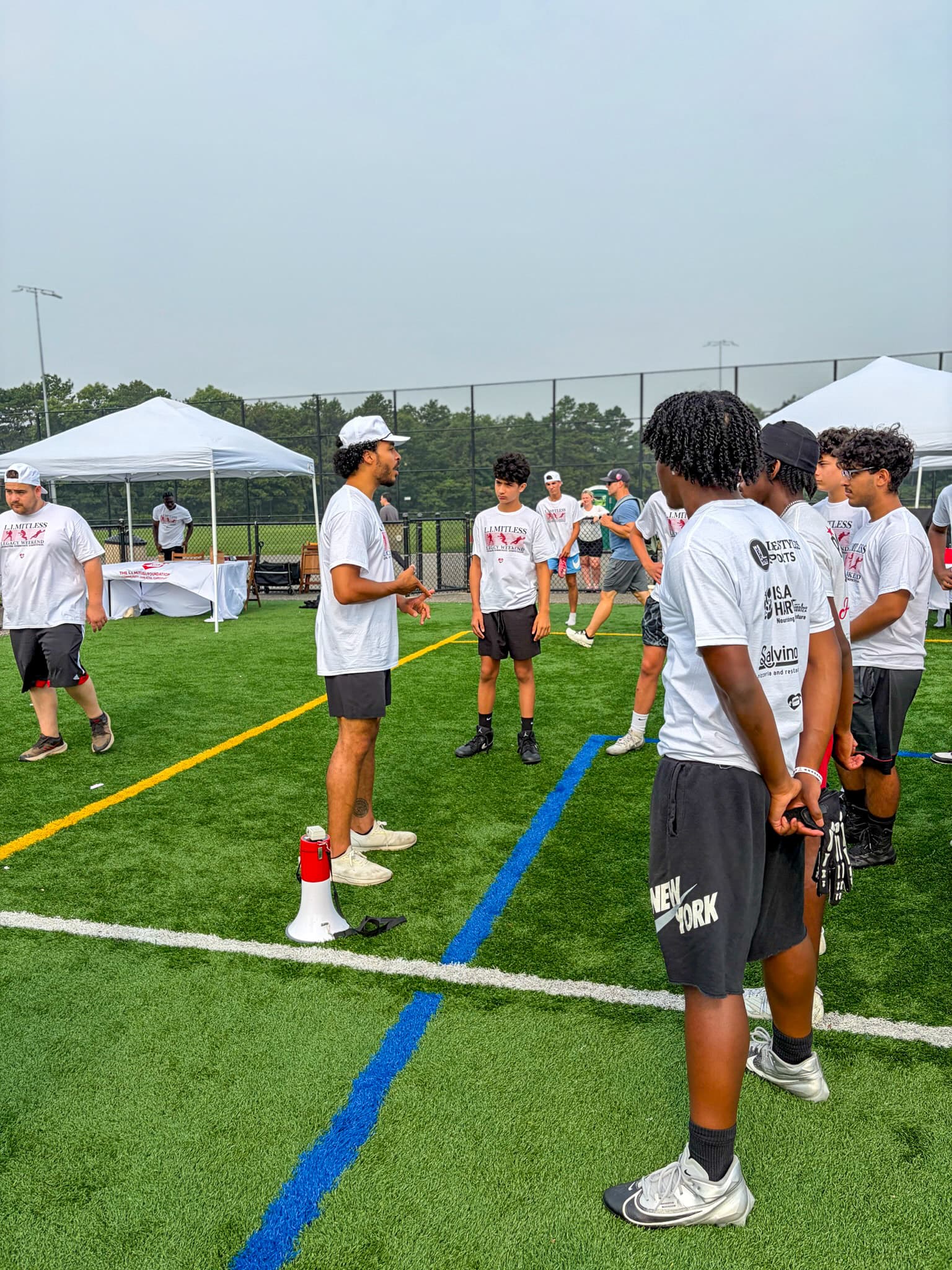
The L.I.MITLESS Foundation's L.I.MITLESS Legacy Weekend focuses on competition, connection, and personal development for Long Island athletes.
-
Regular participation in flag football strengthens communication skills, leadership abilities, and self-esteem that carry into everyday life.
What Is Youth Flag Football?
Youth flag football is a non-contact version of American football where players wear flags attached to their waists instead of tackling. The goal is to pull the flag from the ball carrier to stop the play. This format allows children of all sizes, skill levels, and backgrounds to participate safely.
Programs typically serve children ages four through fourteen, with age-appropriate rules and field sizes. Young athletes learn throwing, catching, route running, and defensive positioning. They also develop strategic thinking as they execute plays and read the opposing team.
How Does Flag Football Build Confidence in Young Athletes?
Confidence grows through repeated experiences of effort, risk, and accomplishment. Flag football creates hundreds of these micro-moments in every practice and game. A child throws a pass and completes it. They pull a flag at a crucial moment. They call out a play in the huddle.
Research published in Behavioral Sciences found that football participation increases sport trait confidence through collective self-esteem and individual self-esteem. When young athletes feel valued by their team and believe in their own abilities, confidence follows naturally.
The L.I.MITLESS Foundation builds on this research through the L.I.MITLESS Legacy Weekend. Athletes receive positive reinforcement from coaches who focus on effort and improvement rather than just wins and losses.
Why Team Sports Create Unique Confidence-Building Opportunities
Individual activities can build skills, but team sports offer something different. Young athletes learn their contributions matter to something larger than themselves. This sense of belonging creates what researchers call collective self-esteem—the positive feelings that come from being part of a valued group.
When a team succeeds, every player shares in that success. When challenges arise, teammates support each other through them. These experiences teach children they can rely on others and be relied upon in return. This mutual dependence builds confidence in ways solo activities cannot replicate.
How Flag Football Develops Resilience in Youth Athletes
Every flag football game includes dropped passes, missed assignments, and plays that do not work as planned. These moments become lessons in resilience. Athletes learn to shake off mistakes and focus on the next play.
Coaches play a critical role in this process. When a child makes an error, the coach's response shapes how that child processes setbacks. Supportive coaches help athletes see mistakes as information, not failure. Over time, young players develop the mental toughness to keep trying even when things get difficult.
The L.I.MITLESS Foundation's coaches receive training in positive youth development practices. They create environments where mistakes are expected, discussed, and used as teaching moments rather than sources of shame.
What Role Does Mentorship Play in Youth Sports Confidence?
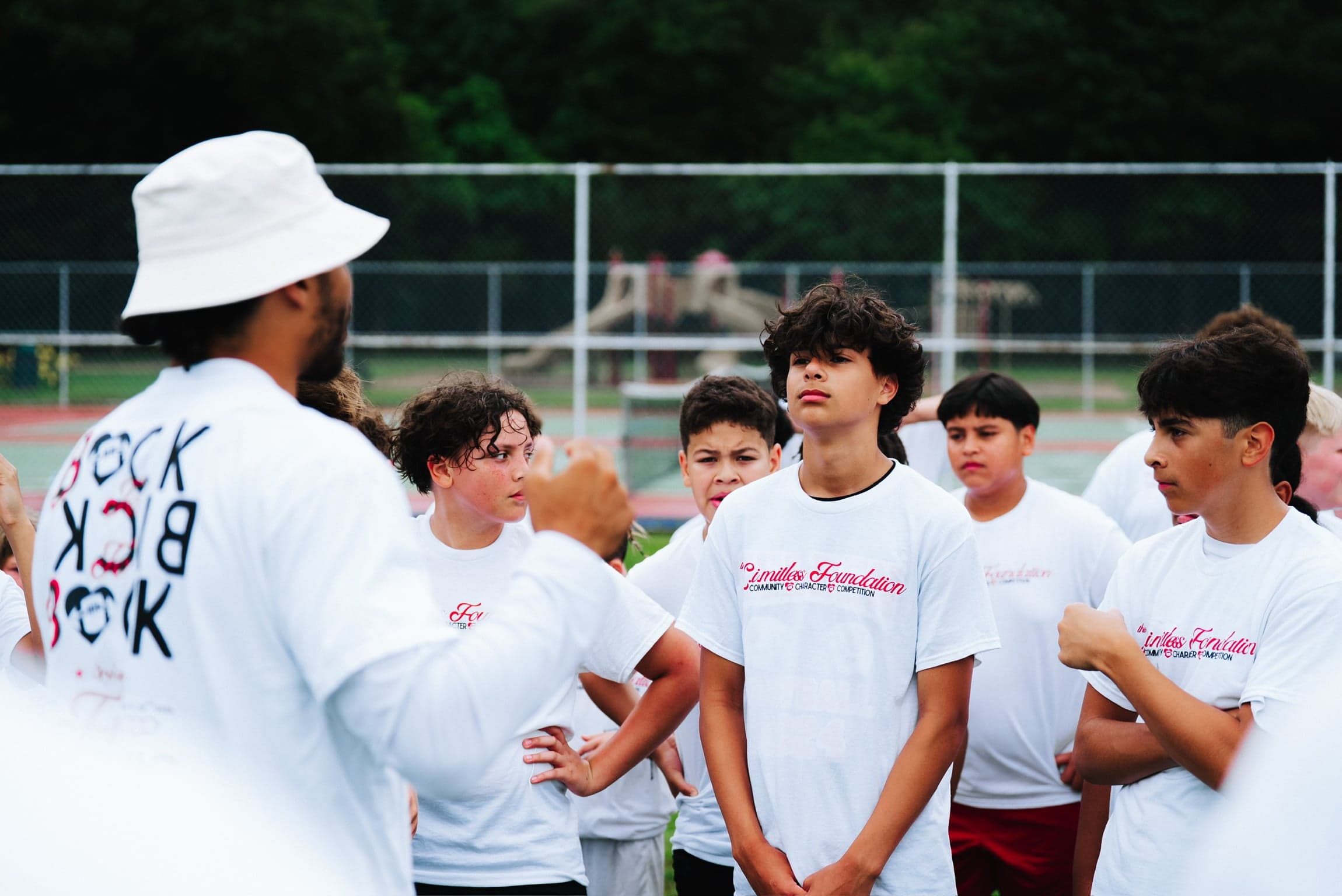
Young athletes need more than instruction—they need role models who believe in them. Mentors notice when a child is struggling and offer encouragement. They celebrate growth that might go unnoticed by others. They ask questions that help young people reflect on their experiences.
Effective mentorship in youth sports goes beyond teaching technique. Mentors help athletes connect their on-field experiences to life lessons. When a child learns to communicate clearly in a huddle, a mentor helps them see how that skill applies in the classroom or at home.
The L.I.MITLESS Foundation's Youth Clinics pair young athletes with positive role models who guide them through personal and athletic challenges. This one-on-one attention amplifies the confidence-building benefits of flag football participation.
How Does Healthy Competition Support Personal Growth?
Competition in youth sports sometimes gets a bad reputation, but healthy competition teaches valuable lessons. Athletes learn to prepare, give their best effort, and accept outcomes they cannot control. They discover how to win graciously and lose with dignity.
Flag football competition creates natural opportunities for goal-setting. A child might work all season on improving their throwing accuracy or learning a new route. Pursuing these goals builds confidence through the effort itself, regardless of game outcomes.
Programs that balance competition with character development help young athletes internalize that their worth does not depend on winning. The goal is personal growth, and competition is simply the context where that growth happens.
What Should Parents Look for in a Youth Flag Football Program?
Not all programs deliver equal benefits. Parents should ask about coach training, playing time policies, and the program's philosophy on competition versus development. Quality programs ensure every child participates meaningfully in every game.
Look for programs that explicitly incorporate character development into their curriculum. The best youth sports experiences teach sportsmanship, teamwork, and resilience alongside athletic skills. Ask coaches how they handle mistakes and how they recognize effort beyond just athletic performance.
Community connection matters too. Programs embedded in local networks can connect families with additional resources and support. The L.I.MITLESS Foundation partners with local nonprofits and schools to create a supportive network for Long Island families.
How Early Can Children Start Building Confidence Through Flag Football?
Many programs accept children as young as four years old. At this age, the focus is on basic movement skills, following instructions, and having fun with peers. Confidence at this stage comes from positive social experiences and learning to be part of a group.
As children grow, the skills become more complex and the confidence-building opportunities deepen. Older athletes take on leadership roles, help younger players, and tackle more sophisticated strategic concepts. Each stage offers appropriate challenges that stretch young people just beyond their current abilities.
Starting early is not required for success. Children who begin flag football at eight or ten years old still gain the same benefits. What matters most is consistent participation in a supportive environment.
How Youth Flag Football Benefits Extend Beyond the Field
The confidence built through flag football does not stay on the field. Parents frequently notice changes in how their children handle challenges at school, interact with peers, and approach new situations. The skills transfer because they are fundamentally about how young people see themselves.
Children who learn they can master a difficult play develop belief in their ability to master difficult schoolwork. Athletes who discover they can contribute to a team feel more confident contributing to group projects. The lessons are portable because they shape identity, not just athletic ability.
In Conclusion: Why Youth Flag Football Matters for Long Island Families
Youth flag football offers Long Island families a powerful way to support their children's development. Through team experiences, healthy competition, and positive mentorship, young athletes build the confidence and resilience they need to thrive. The L.I.MITLESS Foundation's L.I.MITLESS Legacy Weekend creates these opportunities while keeping community connection and character development at the center of every practice and game.
FAQs About How Youth Flag Football Builds Confidence
At What Age Should My Child Start Playing Flag Football?
Most youth flag football programs accept children starting at age four or five. At this stage, the focus is on basic skills, having fun, and learning to be part of a team. The L.I.MITLESS Foundation offers age-appropriate programming that meets children where they are developmentally.
How Is Flag Football Different From Tackle Football for Building Confidence?
Flag football removes tackling, which allows children to focus on skill development and teamwork without fear of physical contact. This format helps young athletes take risks and try new things because the consequences of mistakes are lower. The L.I.MITLESS Foundation's youth flag program emphasizes personal growth over physical dominance.
Will My Child Get Enough Playing Time to Build Confidence?
Quality youth programs ensure every athlete participates meaningfully in every game. Ask about playing time policies before enrolling. The L.I.MITLESS Foundation commits to giving all athletes opportunities to contribute, learn, and grow throughout the season.
How Can I Support My Child's Confidence-Building at Home?
Focus on effort rather than outcomes when discussing games and practices. Ask what your child learned or enjoyed rather than whether they won. Celebrate small improvements and encourage them to keep trying when things get difficult. Your attitude shapes how your child processes their experiences.
What If My Child Is Shy or Hesitant to Try Flag Football?
Many children feel nervous about trying new activities, especially team sports. Look for programs that welcome beginners and create supportive environments for all skill levels. Attending a practice as an observer or signing up with a friend can help ease the transition. The L.I.MITLESS Foundation's coaches specialize in helping hesitant athletes find their place on the team.
Enjoyed this article?
Support our mission to empower Long Island youth.