Community
How Football Leadership Programs Teach Character

Key Takeaways: How Football Leadership Programs Teach Character
-
Football leadership programs use structured teamwork, discipline, and mentorship to build character traits that carry far beyond the playing field.
-
Young athletes develop accountability, resilience, and communication skills through repetition, coaching feedback, and game-day decision-making.
-
Mentorship embedded in football programs connects young people with positive role models who guide personal and athletic growth.
-
The L.I.MITLESS Foundation grounds its football programming in three pillars: Character, Community, and Competition.
-
Community-rooted programs create lasting impact by surrounding young athletes with families, coaches, and local partners invested in their development.
What Is a Football Leadership Program?
A football youth leadership program is a structured initiative that uses the sport as a platform for developing leadership skills, character strengths, and life readiness in young athletes. These programs go far beyond teaching routes and defensive formations.
Participants engage in value-driven workshops, mentorship sessions, and team-based challenges alongside their athletic training. The goal is to develop the whole person, not only the athlete. Decision-making, goal-setting, and personal accountability become as central to the experience as any drill or scrimmage.
How Does Football Teach Character to Young Athletes?
Football demands discipline, preparation, and trust between teammates. Every practice requires young people to show up consistently, accept coaching, and push through moments of discomfort. These repeated experiences shape habits that extend into academics, relationships, and personal goals.
When a young person commits to learning a new play despite difficulty, they are building perseverance. When they accept responsibility for a missed assignment rather than blaming a teammate, they are developing integrity. At The L.I.MITLESS Foundation, we believe football reveals and strengthens qualities that young people carry with them for life.
A 2025 study published in BMC Public Health found that positive youth development experiences in sport-based programs were significantly correlated with growth in social-emotional learning, leadership development, and career readiness among young participants.
Why Structured Mentorship Matters in Football Programs
Coaching in a football leadership program is more than instruction on technique. It is mentorship rooted in relationship, repetition, and reflection. When a coach takes time to understand a young person's circumstances, goals, and challenges, the training becomes more than athletic. It becomes personal.
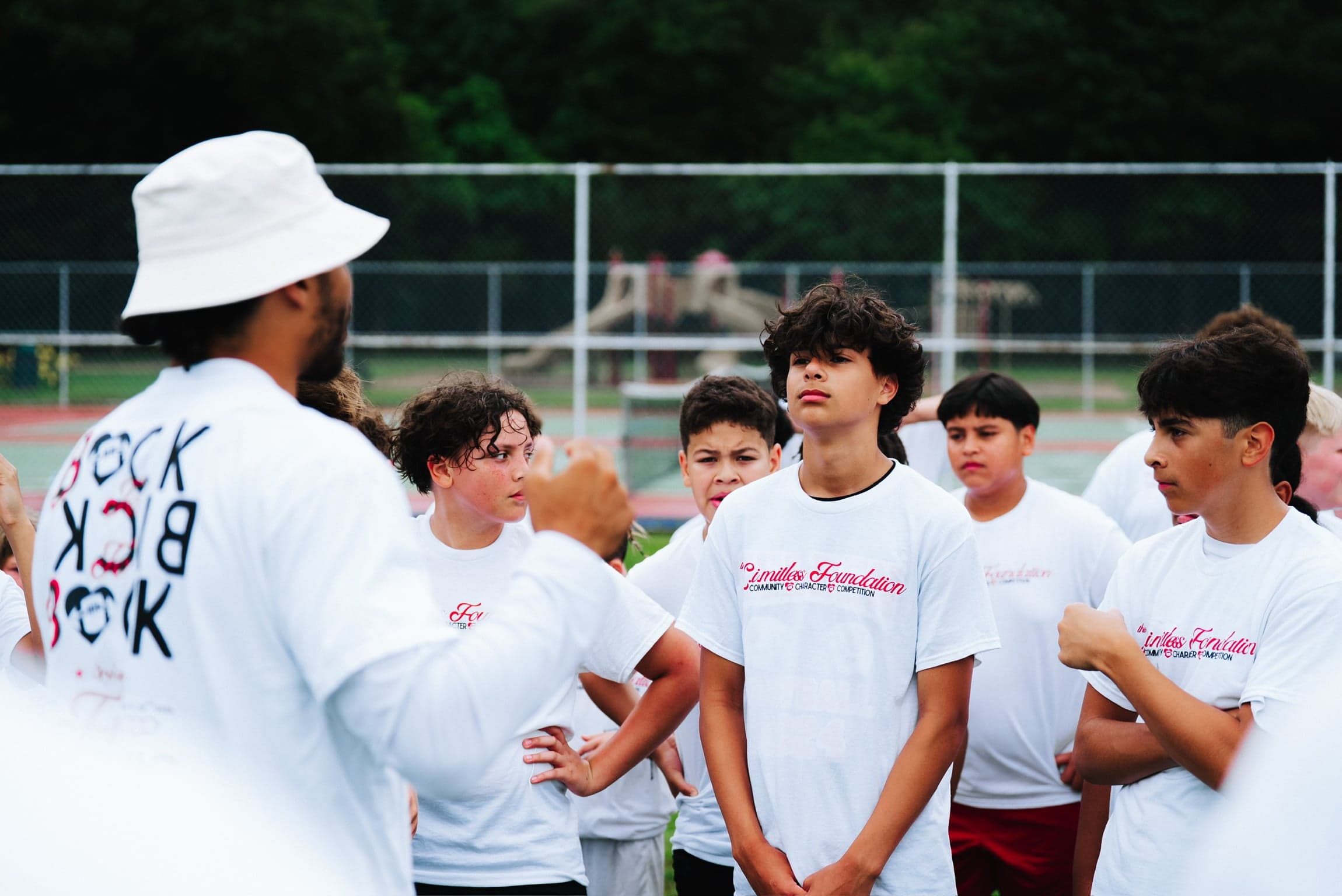
Effective mentors create environments where young athletes feel seen and encouraged to grow. They model accountability, celebrate effort, and hold participants to high standards with care. This approach builds trust and ensures that character development is woven into every interaction on the field.
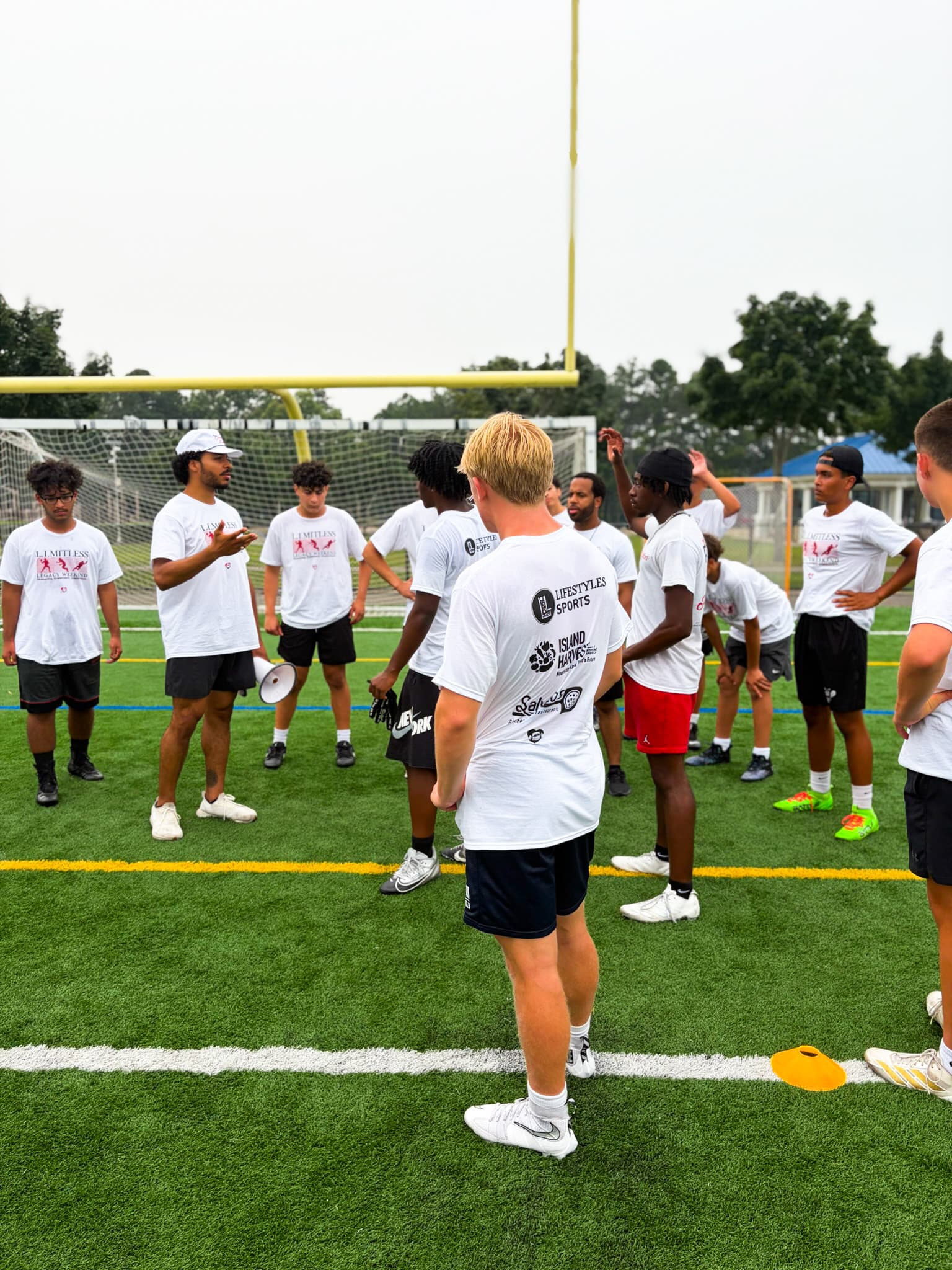
At The L.I.MITLESS Foundation, mentorship is not an add-on. It is built into the structure of every clinic and event we host. Coaches serve as role models who guide personal and athletic advancement through one-on-one relationships with participants.
What Character Traits Do Football Programs Develop?
Football leadership programs develop a range of character traits through deliberate practice and game-day application. These are not abstract ideas. They are qualities that young people exercise and strengthen each time they step onto the field.
Accountability and Self-Discipline
Football requires preparation. Athletes must learn their roles, maintain physical conditioning, and follow through on commitments to their teammates. This daily practice of showing up and doing what is expected builds self-discipline that transfers directly into school, work, and community life.
Resilience and Perseverance
Every season includes setbacks. Losses, injuries, and missed opportunities test a young athlete's resolve. Football teaches participants to recover, adjust, and keep moving forward. These experiences become reference points for handling adversity in all areas of life.
Communication and Teamwork
A football team cannot function without clear communication. Athletes learn to speak up, listen to others, and coordinate under pressure. These are the same skills needed for success in classrooms, workplaces, and families. The three pillars of Character, Community, and Competition create a framework where these traits are taught intentionally.
How Community-Rooted Programs Differ From Traditional Sports Leagues
Traditional youth sports leagues often focus primarily on competition and athletic skill. Community-rooted football leadership programs take a different approach. They embed character education, mentorship, and family engagement into the program design from the beginning.
This distinction matters because it shapes how young people experience the sport. In a community-rooted program, families are partners in development. Local schools, nonprofits, and volunteers contribute to a network of care that surrounds each participant. The sport becomes a shared investment rather than an isolated activity.
The L.I.MITLESS Foundation operates from this community-rooted philosophy across Long Island. Our curriculum integrates athletic training with character development across 14 modules, all connected to local families and organizations who share our commitment to the next generation.
What Role Does Competition Play in Character Development?
Competition in football programs is not about winning at all costs. It is a context where young people learn to prepare with intention, respond to pressure, and pursue excellence. Healthy competition reveals both strengths and areas for growth.
When athletes compete with purpose, they learn to set personal goals, measure their progress, and celebrate the effort of the process. They also learn to respect opponents, accept outcomes, and channel frustration into motivation. These are lessons that serve them well in academics, careers, and relationships.
How Parents Can Identify a Quality Football Leadership Program
Not every football program incorporates leadership and character development. Parents and guardians looking for a program that delivers more than athletic training should look for specific indicators of quality and intention.
Ask whether the program includes structured mentorship, character education workshops, and regular reflection opportunities. Look for coaches who receive training in youth development practices, not only athletic instruction. Notice whether the program connects to local community organizations and engages families as partners.
Programs that articulate clear values, measure growth beyond wins and losses, and create space for personal development are the ones most likely to produce lasting impact in young athletes' lives.
How The L.I.MITLESS Foundation Approaches Football-Based Character Development
At The L.I.MITLESS Foundation, football is not the destination. It is the starting point. Our programs are designed to develop confident, disciplined, and community-minded young people who carry the lessons of the field into every area of their lives.
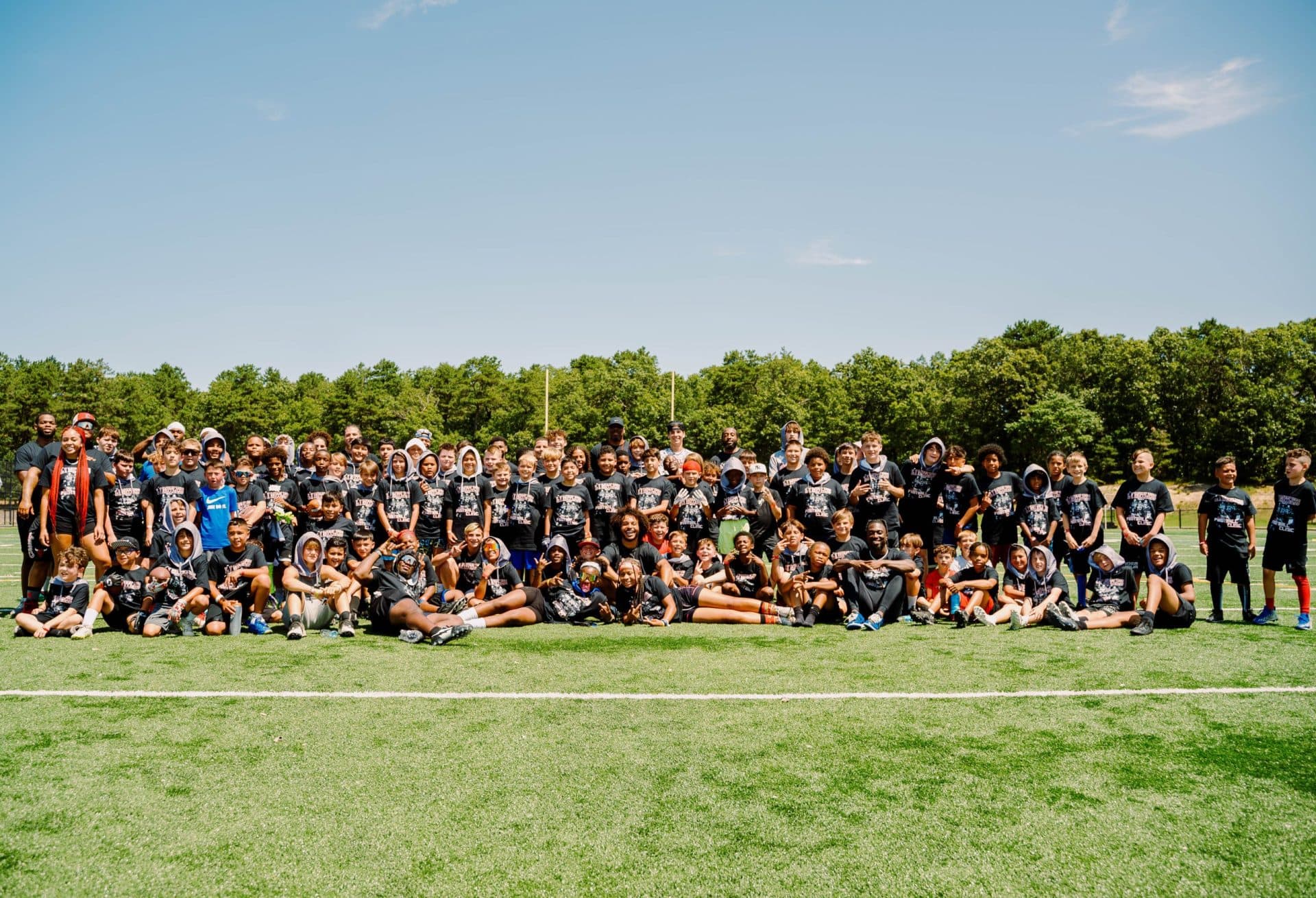
Through the Whetstone Program, annual youth clinics, and community events, we create environments where young athletes receive mentorship, practice leadership, and build character alongside their peers. Every session includes focused value lessons, athletic training, and team reflection.
Our work is grounded in three core pillars: Character, Community, and Competition. Together, these pillars form a framework for youth development that extends far beyond the playing field and into the classrooms, homes, and neighborhoods of Long Island.
Join the Mission
Investing in football-based character development is investing in the future of young people and the communities they will one day lead. The work of building stronger youth, stronger families, and stronger communities cannot happen in isolation. It requires partnership.
If you believe in developing young leaders through mentorship, discipline, and purpose, we invite you to stand with The L.I.MITLESS Foundation. Whether through volunteering, partnership, or giving, your investment creates the kind of lasting impact that shapes lives for generations.
Together, we can continue creating spaces where young people are supported, challenged, and reminded that their potential has no limit.
FAQs About How Football Leadership Programs Teach Character
What Age Groups Benefit From Football Leadership Programs?
Football leadership programs typically serve young people between ages seven and eighteen. The L.I.MITLESS Foundation offers programming designed for Long Island youth across multiple age groups, with age-appropriate mentorship and character development at every level.
How Are Football Leadership Programs Different From Regular Youth Football?
Regular youth football focuses primarily on athletic skill and game performance. Football leadership programs add structured mentorship, character education, and reflection to the experience. The L.I.MITLESS Foundation's programs intentionally develop accountability, resilience, and leadership alongside athletic ability.
Can Football Leadership Programs Build Character in Young Athletes Who Are New to the Sport?
Absolutely. Character development does not require athletic experience. Football leadership programs meet young people where they are and develop life skills through the process of learning, practicing, and competing. The L.I.MITLESS Foundation welcomes athletes of all skill levels.
What Makes Community-Rooted Football Programs More Effective for Character Development?
Community-rooted programs connect young athletes with families, mentors, local schools, and nonprofit partners who share a commitment to their growth. This network creates consistent reinforcement of values on and off the field, producing deeper and more lasting character development.
How Do Parents Know If a Football Leadership Program Is Working?
Look for behavioral changes beyond athletic improvement. Young people enrolled in quality programs often demonstrate stronger communication, more consistent self-discipline, and greater willingness to lead. The L.I.MITLESS Foundation tracks growth through participation, leadership behaviors, reflection, and skill development.
Enjoyed this article?
Support our mission to empower Long Island youth.